Getting into the Dirt
BEING WHOLE
FINDING YOUR TRUE SELF
IMPROVE YOUR RELATIONSHIPS
How Oats, peas, beans, and barley grow.
oats, peas, beans, and barley grow?
First the farmer sows his seed,
Then he stands and takes his ease,
He stamps his foot and claps his hands,
And turns around to view the land.
Walking with a partner,
Walking with a partner,
Turn and smile and then we say,
“That’s the way we plant today!”
The poetic innocence of a children’s song is often a cultural capsule of ancestral wisdom. It’s a beautiful irony: we give these songs to children because they are simple, yet they carry the weight of everything our ancestors learned the hard way.
The words of wisdom: “To plant a seed is to believe in tomorrow.”
Here at Weaselskin:

Growing things for the past and the future:
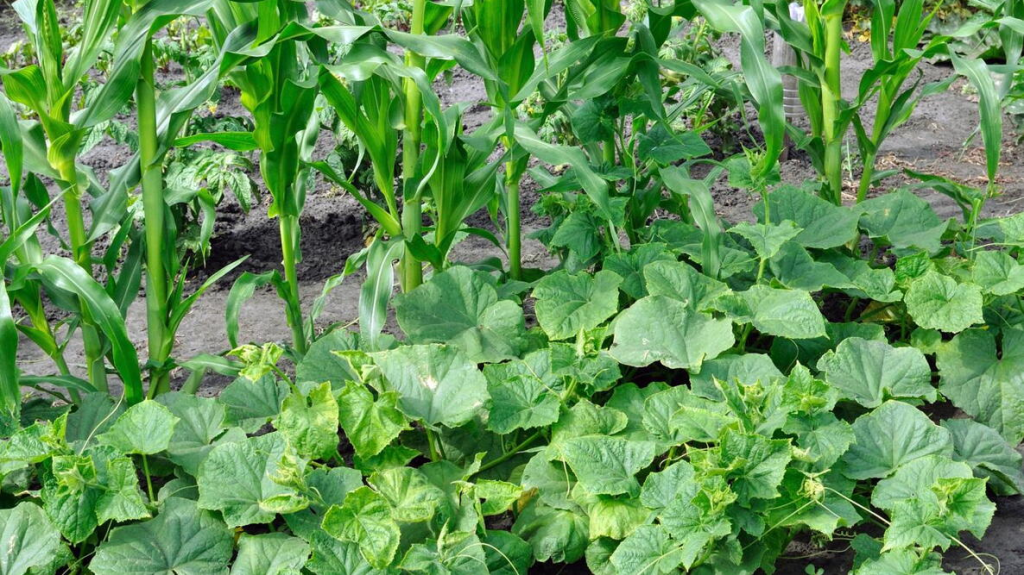
Growing things on the land is the most direct way we honor our history while securing our future; it turns the soil into a bridge between the wisdom of our ancestors and the health of our children.
Growing things for your self:
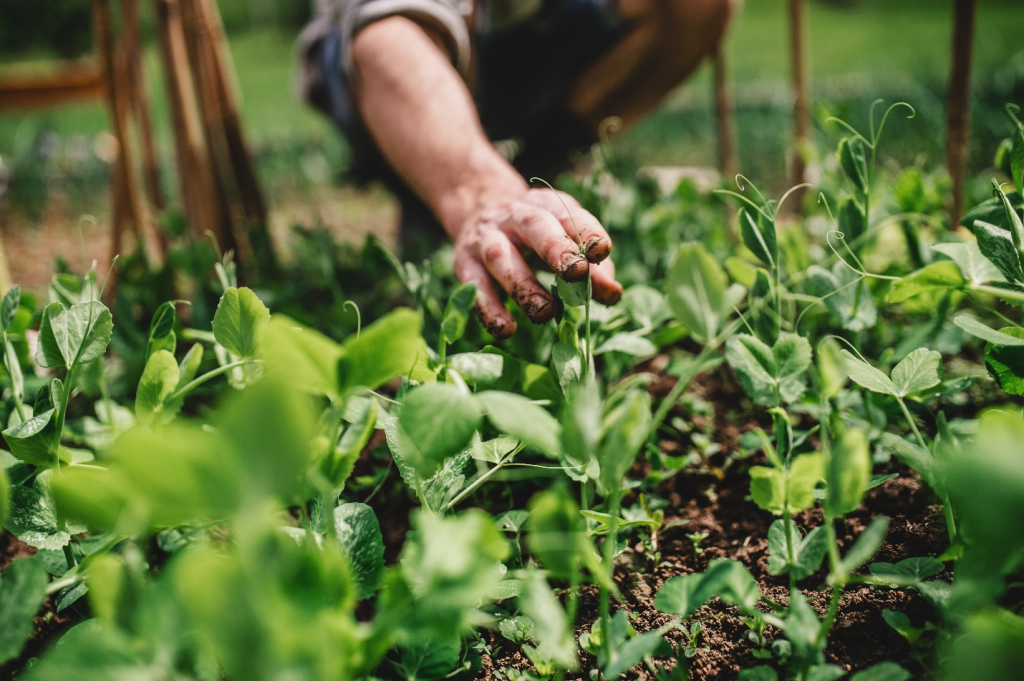
Growing something is more than touching the earth. It is an experience that goes beyond the physical act of planting seeds in the soil. While our hands may connect with the ground, the process of nurturing life involves patience, care, and a connection to the cycle of nature. Growth is about fostering life, understanding the rhythms of the natural world, and witnessing transformation over time. Ultimately, the act of growing is as much about cultivating ourselves as it is about tending to the earth.

Growing things with and for others:
There is a profound connection between the act of gardening and the health of our human connections. When we grow things for others, we are essentially practicing “service through patience.” Working the soil is one of the most effective ways to learn how to cultivate a relationship:
Gardening is a “shoulder-to-shoulder” activity rather than a “face-to-face” one. Working the soil with a friend, a partner, or a new acquaintance lowers the pressure of conversation. It allows for a natural flow of dialogue while your hands are busy, often leading to deeper sharing than a formal sit-down group session might.
Gardening is growing resilience together. Relationships depend on accepting responsibility and vulnerabilities. When you garden with others, you share in the failures (the deer, the droughts, the frosts) and the triumphs (the first ripe tomato). It happens to the best of us ….if you are feeling like a “plant serial killer,”…our growing process can aid in learning to handle a “black thumb” moment together by developing resilience in order to troubleshoot life’s frustrations without blame.
Relationships are built on the foundation of accepting both responsibility and vulnerability. Gardening with others invites us to share in every experience—the setbacks and the successes alike. Whether it’s contending with challenges like deer eating the plants, unexpected droughts, or late frosts, or celebrating milestones such as harvesting the first ripe tomato, everyone is part of the journey.
It is common to feel discouraged, especially during moments when plants seem to wilt despite our best efforts—sometimes feeling like a “plant serial killer.” These shared experiences in the garden become opportunities to learn how to manage difficulties together. Facing “black thumb” moments as a group fosters resilience and helps us troubleshoot life’s frustrations collaboratively, without resorting to blame. Through this process, we grow not only as gardeners but also as partners in cultivating understanding and patience.
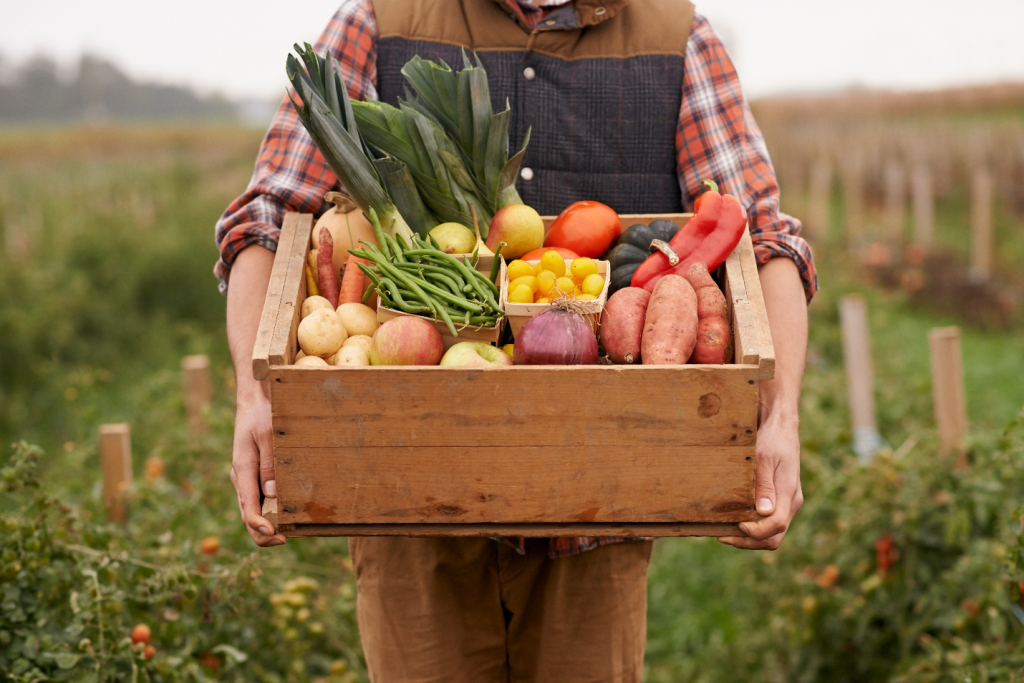
“He who plants a garden, plants happiness.” — Chinese Proverb
It happens to the best of us—sometimes it feels like you could look at a cactus and it would wilt. If you’re feeling like a “plant serial killer,” you’ve probably used or heard one of these common phrases:
“I have a black thumb.”
“I’m where plants come to die.”


 Weaselskin Retreat and Education